Turn Shop Floor Data into Confident Action

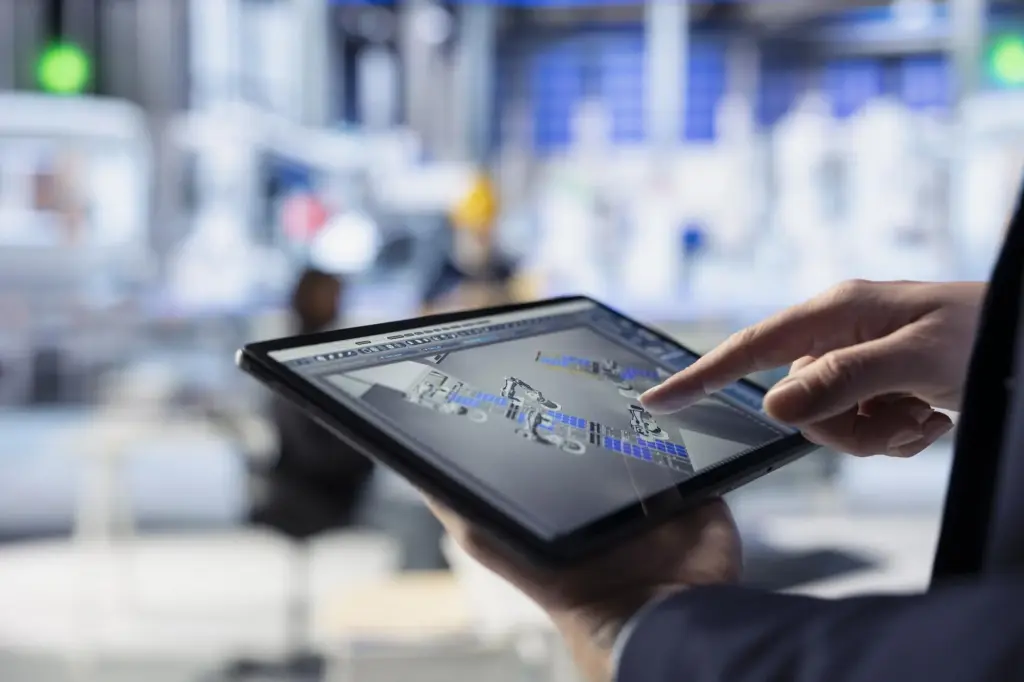
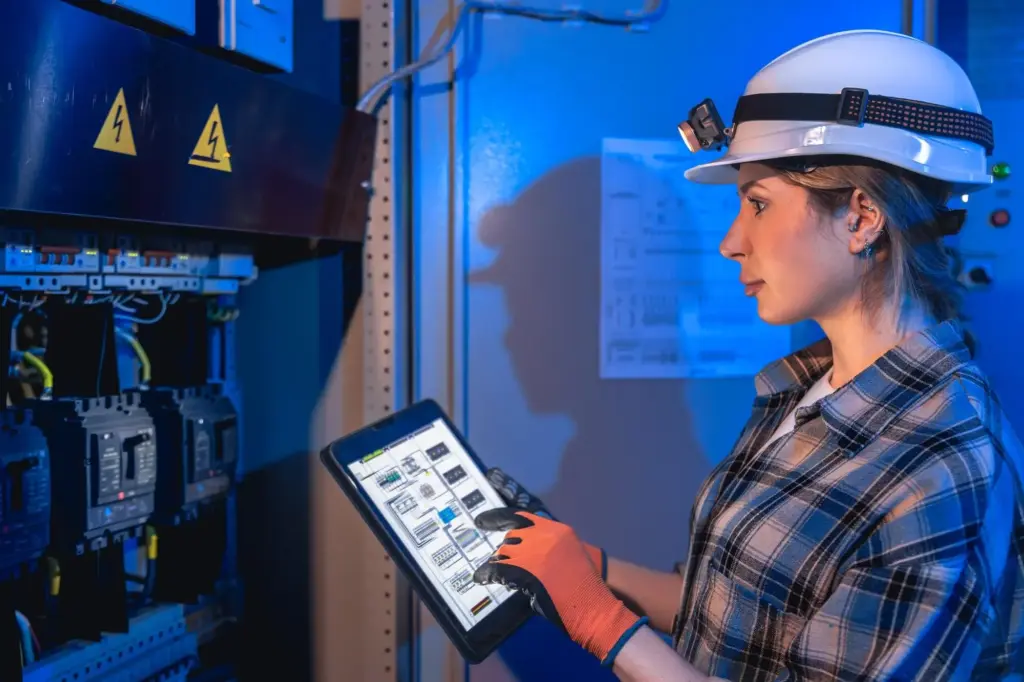
We explore Operator-Centric Dashboards for the Shop Floor, showing how thoughtfully designed interfaces elevate safety, speed, and quality. Through practical stories, proven patterns, and measurable tactics, you’ll see how data becomes decisions, and operators become empowered problem-solvers without extra clicks or confusion.

Design That Respects Busy Hands

When every second counts, design choices either reduce cognitive load or slow people down. Interfaces should invite glances, not study sessions. Big targets, clear hierarchies, and legible typography help operators in gloves, ear protection, and shifting light conditions gain instant clarity without hesitation or unnecessary navigation.

Clarity Under Pressure

On a loud line, cues must leap from the screen. Use strong visual contrast, consistent iconography, and minimal color palettes mapped to status, not decoration. Prioritize a single primary action per view, guiding the eye with scale rather than flashing distractions that hide the next best step.

Reach, Glove, and Glare

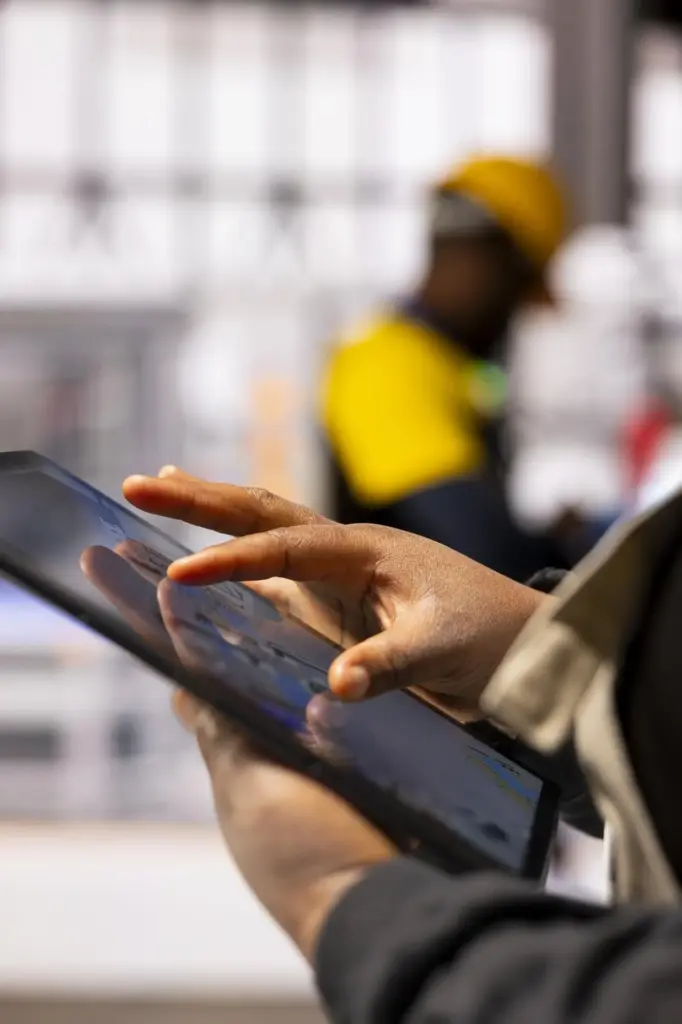
Consider reach envelopes, standing postures, and touch accuracy with gloved hands. Place high-frequency controls within natural motion arcs, offer generous tap targets, and include a high-brightness, low-glare mode. These seemingly small adjustments prevent mis-taps, reduce fatigue, and protect focus during rapid changeovers or maintenance windows.

Real-Time Signals That Matter

Dashboards should surface what helps the next move: cycle time, downtime reason codes, scrap drivers, and cues for quality checks. Balance OEE with leading indicators like temperature drift or spindle load, translating numbers into clear recommendations that guide action before performance or quality slips beyond recovery.

From Data Pipes to a Single Pane

{{SECTION_SUBTITLE}}

Bridging OT and IT

Protocols like OPC UA, MQTT, and REST can cooperate when mappings are explicit and documented. Translate tag names into plain terms, preserve units, and align timestamps. By designing a stable contract between systems, you eliminate brittle glue code and ensure dashboards stay accurate as equipment evolves.

Offline-First Reliability

Wi‑Fi hiccups and controller resets happen. Cache critical data locally, queue events for backfill, and design visible sync states so nothing disappears. Operators keep working, confident that records will reconcile, and supervisors trust that history remains complete without desperate midnight spreadsheet archaeology.

Guided Actions and Standard Work

Great visuals must lead to great actions. Pair each insight with a one-tap workflow: acknowledge, escalate, check, or complete. Embed standard work, photos, and short videos where the decision happens. With guidance at the point of need, variability shrinks and confident habits beat inconsistent tribal memory.

Learning Loops and Continuous Improvement

Dashboards should invite feedback, not just display it. Let operators annotate trends, flag recurring pain, and kick off small experiments. Tie improvements to metrics and celebrate visible wins. The screen becomes a shared workspace where ideas compound, building resilience beyond any single shift or hero individual.

From Pilot to Plantwide Adoption

Start where urgency and trust already exist, then scale deliberately. Measure adoption with real behaviors: acknowledgments, completed checklists, reduced response times, and fewer surprise stoppages. Train peers to train peers. When results travel faster than slides, confidence grows, and the new way becomes the comfortable default.
Telidaxilorivani
Privacy Overview

This website uses cookies so that we can provide you with the best user experience possible. Cookie information is stored in your browser and performs functions such as recognising you when you return to our website and helping our team to understand which sections of the website you find most interesting and useful.